
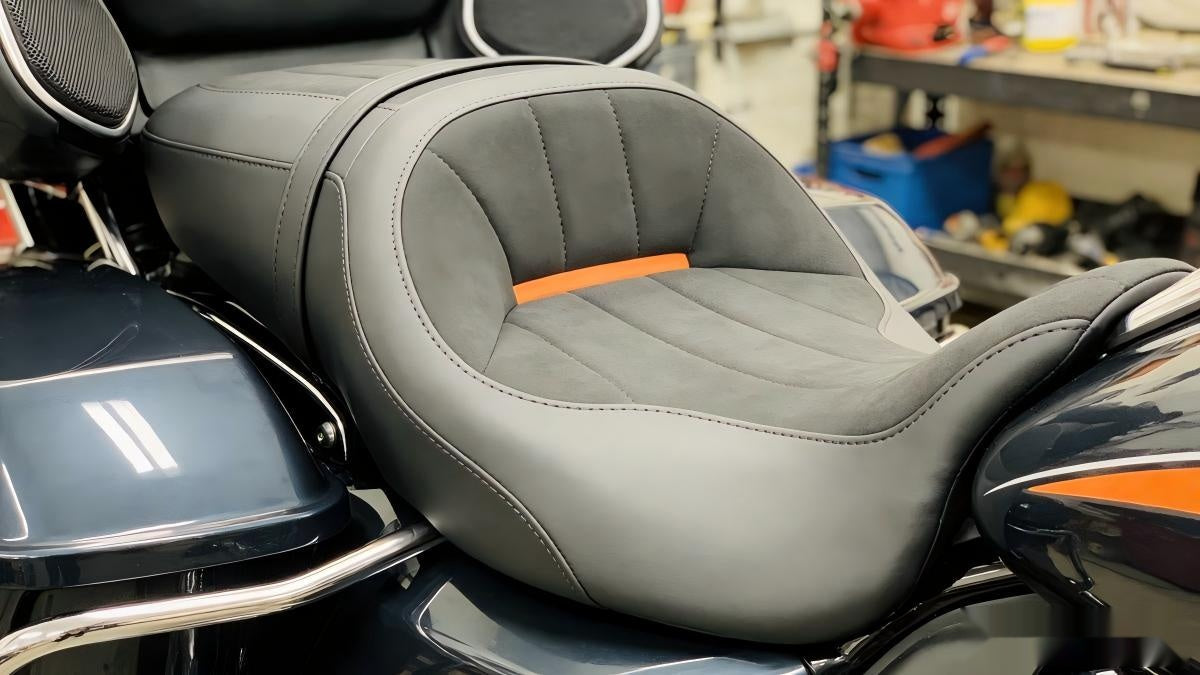
Of all the components on a motorcycle, none has more direct contact with your body than the seat. A supportive seat makes a 10-hour ride feel manageable; a poor one makes a one-hour ride miserable. If you are shopping for comfort, range, or both, knowing how to choose a motorcycle seat is one of the highest-value upgrades you can make. This guide covers the anatomy of a motorcycle seat, what makes a seat comfortable, and how to pick the right one for the way you ride.
Why the Seat Matters So Much
Your seat carries your entire body weight for hours. The wrong foam density, shape, or angle concentrates pressure on the sit bones and the tailbone, compressing soft tissue and reducing blood flow. The result is the dreaded "numb butt," shifting in the seat, and an end to the ride long before the bike or your energy gives out. The right seat distributes pressure evenly, supports your posture, and lets you ride all day in comfort. A good seat also affects your position on the bike, which influences control, fatigue, and the [riding posture](https://www.oumurs.com) we covered earlier.
The Anatomy of a Motorcycle Seat
A motorcycle seat is more than a slab of foam. It is a layered system:
- The pan: The rigid base that bolts to the bike and gives the seat its shape. On a quality seat, the pan is molded to fit the rider's body and provide a stable platform.
- The foam: The cushioning layer between the pan and the rider. Density, thickness, and shape all matter. Foam that is too soft bottoms out, transferring pressure to the pan; foam that is too hard feels like sitting on a board. The best seats use multiple foam densities — firmer under the sit bones for support, softer in the surrounding area for comfort.
- The cover: A waterproof, UV-resistant, and durable cover that protects the foam. It should be grippy enough to keep you planted but smooth enough to shift your weight slightly when you want to.
Aftermarket seats often improve on stock by reshaping the foam, adding gel or memory-foam inserts, and improving the cover. A well-made aftermarket seat can be a transformative upgrade for riders suffering on their stock seat.
What Makes a Seat Comfortable
Foam Density and Shape
Foam is the heart of a comfortable seat. Look for:
- Multi-density foam: Firmer foam under the sit bones, softer foam in the surrounding areas. This combination supports your weight without bottoming out and relieves pressure on the soft tissue.
- A contoured shape: A flat slab of foam is rarely comfortable over long distances. A good seat is shaped to cradle the rider, with a wider, flat area for the sit bones and a raised back to support the lumbar spine and keep the rider from sliding back under braking
- The right thickness: Thicker is not always better. Too much foam compresses too easily and loses support. The right thickness is matched to the foam density and the rider's weight — a 130 lb rider and a 230 lb rider need different foam profiles, which is why custom seats are often the best solution for unusual weights or shapes.
Gel and Memory-Foam Inserts
Many aftermarket seats add a gel layer or memory foam in the sit-bone area. Gel seats reduce pressure points by spreading weight across a viscous layer; memory foam molds to your shape. Both can significantly improve comfort, especially on long rides, though they add cost and weight. Some riders find gel too soft, which lets them sink into the pan — the best gel seats use gel strategically over firmer foam.
Seat Width and Shape
A narrow seat lets you reach the ground easily but moves your weight onto a smaller contact patch, increasing pressure. A wider seat distributes weight better but can interfere with your reach to the ground. The right balance depends on your height, inseam, and riding style. Touring and adventure bikes typically have wider, more padded seats; sport bikes have narrower, firmer seats for ground reach and cornering clearance. Choose a width that lets you sit comfortably and reach the ground — your inseam and confidence matter.
Seat Height and Reach
Seat height affects both comfort and safety. A seat that is too tall lets you ride with poor support and prevents you from planting a foot at stops. A seat that is too low puts your knees above your hips, causing hip and back pain. The right height lets you sit with your hips at or slightly above knee level and reach the ground with at least one flat foot. Test seats with your normal riding gear and shoes.
Choosing a Seat for Your Riding Style
Match the seat to how you ride:
- Sport and aggressive street riding: A firmer, narrower seat that lets you move fore and aft for cornering. Comfort is less critical than positioning and ground reach.
- Touring and long-distance: A wider, deeply contoured seat with multi-density foam, gel inserts, and lumbar support. A passenger seat with equal care makes two-up touring far more pleasant. See our guide on [riding with a passenger](https://www.oumurs.com).
- Adventure and dual-sport: A flat or mildly contoured seat that lets you shift fore and aft to stand on the pegs. Firmness matters more than foam thickness because you spend a lot of time standing.
- Commuting and urban riding: A balanced seat that supports an upright posture and is comfortable for short-to-medium rides without being a soft, long-distance design.
- Cruiser and relaxed street: A wide, low seat with deep foam for a feet-forward, sit-back riding position.
Stock vs Aftermarket Seats
Many stock seats prioritize cost over comfort. They are often the first thing riders upgrade, and a quality aftermarket seat can transform a bike:
- A new foam and cover can be fitted to your stock pan by a custom seat maker, keeping the original shape and lock mechanisms while dramatically improving comfort.
- Complete aftermarket seats replace the stock unit with one designed for comfort, with better foam, a contoured pan, and a quality cover.
- Custom seats are made to your measurements and riding style, the ultimate solution for long-distance comfort, riders with unusual needs, or those who ride many hours in the saddle.
Reputable aftermarket seat makers, like Oumurs and others, offer replacement and custom options across many models. Look for a maker with experience on your specific bike and a warranty on foam and workmanship.
Seat Care and Maintenance
To keep your seat comfortable and looking good:
- Clean the cover with a mild soap and water; avoid harsh chemicals that can dry out or damage the material.
- Use a cover conditioner on leather or vinyl seats periodically to prevent cracking.
- Protect the seat from prolonged sun exposure, which hardens foam and degrades covers — use a cover when parked.
- Re-cover or re-foam when the cover cracks or the foam compresses beyond recovery. A fresh cover and new foam on the existing pan is a cost-effective renewal.
When to Replace or Upgrade Your Seat
Replace or upgrade your seat when:
- The foam is permanently compressed and bottoms out, leaving you sore on every ride.
- The cover is torn, cracked, or no longer waterproof.
- The seat forces a poor riding position that limits your reach, posture, or comfort.
- You want to ride longer distances than the current seat allows.
Final Thoughts
Knowing how to choose a motorcycle seat comes down to matching foam density, contouring, and width to your body and your riding. Multi-density foam in a contoured shape, with the right cover and seat height, makes a dramatic difference on long rides. Replace a stock seat that is too firm, too flat, or too narrow with a quality aftermarket or custom option and you will be able to ride farther, more comfortably, and with better focus. Pair a great seat with good posture, a regular maintenance schedule, and the rest of the comfort upgrades we have covered, and every ride will end as comfortably as it began.
Share: