
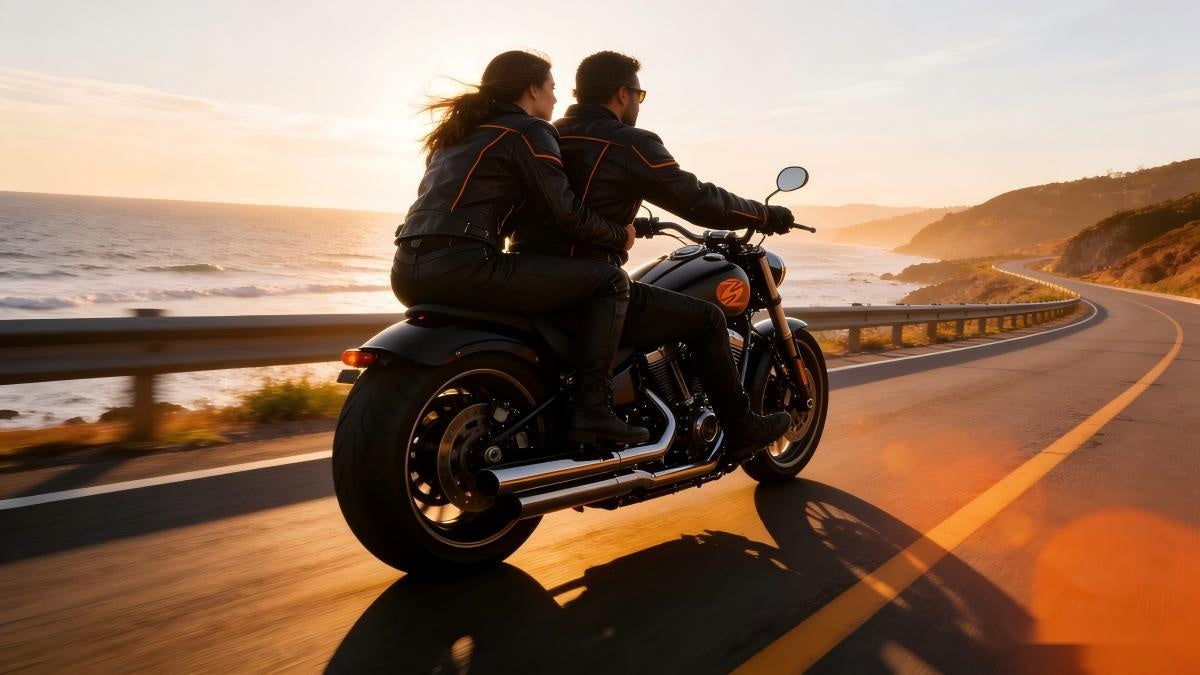
Riding a motorcycle with a passenger is one of the great joys of motorcycling — sharing the road, the wind, and the views with someone you care about. But a passenger adds weight, shifts the balance, and changes how the bike accelerates, brakes, and corners. The experience is only as good as the preparation behind it.
This guide covers what both the rider and the passenger need to know, from the first mounting of the bike to confident two-up cornering.
Why Two-Up Riding Is Different
A passenger can add 100 to 200 pounds (45–90 kg) or more to the motorcycle. That extra mass sits high and behind the rider, raising the center of gravity and shifting weight rearward. The result: slower acceleration, longer braking distances, a heavier feel in corners, and a bike that is easier to unbalance at low speed. None of this is a problem if you adjust your technique — but ignoring it is.
Before You Ride: Prepare the Bike and Yourselves
The Motorcycle
Make sure the bike is built for two. It should have a proper passenger seat, foot pegs, and ideally grab rails or a backrest. Check your tire pressure and suspension settings — most bikes need higher rear tire pressure and a stiffer rear shock to handle the extra load. Consult your owner's manual. A softly sprung rear end will squat, reducing ground clearance and upsetting the steering.
The Rider
You should already be a confident, smooth solo rider before carrying a passenger. If your own inputs are jerky, they will be amplified with a passenger aboard. Master slow-speed control, smooth braking, and progressive throttle before you add a second person.
The Passenger
Brief your passenger before they ever get on. They need to know:
- Mount only after you signal, with the bike on the sidestand or with both your feet firmly planted and the bike in neutral.
- Hold on to your waist, the grab rails, or a tank strap — whatever is most secure.
- Keep their feet on the pegs at all times, even at stops.
- Look over your inside shoulder through corners so their body follows yours naturally.
- Stay relaxed but stable. A rigid passenger makes the bike feel top-heavy; a floppy one shifts around unpredictably
- Do not put a foot down at stops. That is your job.
- Never make sudden moves or grab you tightly in a way that steers the bike.
Mounting and Dismounting
The rider mounts first, holds the bike upright with both feet down and the front brake applied, and signals the passenger to climb on. The passenger should mount from the left side, stepping on the left peg and swinging the right leg over, keeping their weight centered. Dismounting reverses the order: passenger off first, while the rider holds the bike steady.
At first the bike will feel top-heavy and the extra weight will surprise you at slow speeds. Take it easy for the first few miles.
Riding Technique for the Rider
Smooth Throttle and Clutch
Every input must be gentler than when riding solo. Roll the throttle on smoothly to avoid jerking the passenger, and use the clutch's friction zone for clean getaways from stops — the extra load makes stalling easier and abrupt launches uncomfortable. Downshift smoothly, matching revs, so the bike does not lurch.
Braking Earlier and More Gradually
Braking distances increase with the extra weight, so begin braking earlier and squeeze progressively. The rear brake becomes more useful two-up because the added rear weight gives the rear tire more grip. Avoid panic stops until your passenger is experienced, because hard braking throws them forward into you and unloads the rear.
Cornering With a Passenger
Cornering two-up requires a more deliberate approach:
- Reduce your normal pace. Take corners a little slower, with less lean angle, to leave a margin for the passenger's movements.
- Communicate the line. A passenger who looks through the corner with you keeps their weight aligned. Encourage them to mirror your body position rather than fighting it.
- Be smooth on the throttle. Accelerate out gently so the bike does not squat and pitch the passenger.
- Mind ground clearance. The extra weight lowers the bike, so parts may scrape earlier in corners. Avoid dragging hard parts.
Slow-Speed Control
Two-up slow-speed maneuvers are the hardest. The high center of gravity makes the bike tippy. Use the rear brake to stabilize, keep the clutch in the friction zone, and look where you want to go. Practice in a lot before threading through traffic with a passenger.
Tips for the Passenger
A good passenger is an active, attentive partner:
- Relax your upper body and move with the bike rather than against it. Resist the urge to sit bolt upright and rigid.
- Lean with the rider, looking over the inside shoulder through turns. Do not try to lean independently — that upsets the balance.
- Keep your feet on the pegs at all times, even when stopped. Putting a foot down can throw the bike off balance.
- Hold on securely but do not squeeze the rider so tightly that you restrict their breathing or steering.
- Anticipate stops and acceleration so you do not slam into the rider's back or slide off the seat.
- Communicate. Agree on simple tap signals — a tap on the shoulder for "slow down," a squeeze for "I'm okay." Use a helmet intercom if you have one.
Communication Is Everything
The single biggest factor in enjoyable two-up riding is communication. Before the ride, agree on signals for slowing down, stopping, and discomfort. During the ride, check in at stops — a quick "you okay?" goes a long way. A passenger intercom system transforms the experience, letting you point out scenery and warn of bumps without shouting over the wind.
Start with short rides and build up. A nervous passenger who has a bad first experience may never ride with you again, so prioritize their comfort over showing off.
Safety Essentials
- Both rider and passenger must wear full protective gear — no exceptions. A passenger is just as exposed as the rider.
- Adjust tire pressure and suspension for the extra load.
- Confirm the passenger seat, pegs, and grab rails are secure.
- Ride within your combined skill level. Two-up is not the time to explore your limits.
Final Thoughts
Riding a motorcycle with a passenger is a shared adventure that rewards patience and smoothness. Prepare the bike, brief your passenger, adjust your technique for the extra weight, and communicate constantly. The goal is not speed — it is an enjoyable, safe experience that makes your passenger want to ride again. A comfortable, confident passenger often starts with the right seat: a well-padded motorcycle seat and secure grab handles or grips make all the difference to their stability and yours. Take it easy, build trust, and every two-up ride gets smoother.
Share: