
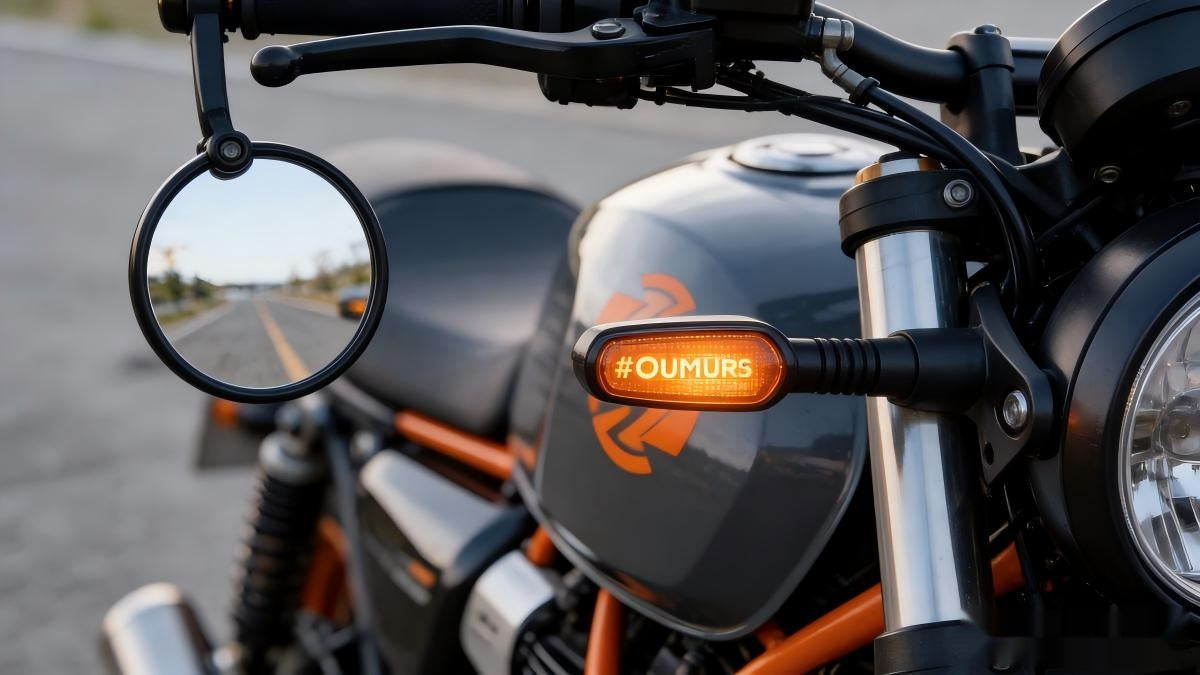
Mirrors are one of the most underrated safety components on a motorcycle. They are your eyes on what is happening behind you — the car closing fast, the truck changing lanes, the rider approaching — and yet stock mirrors are often too small, too vibratory, or poorly positioned. Upgrading your mirrors is a simple modification that can dramatically improve your situational awareness and, done well, sharpen your bike's looks. This motorcycle mirror upgrade guide covers the types, what to look for, and how to choose mirrors that genuinely make you safer.
Why Mirror Upgrades Matter
Good mirrors let you monitor traffic behind you without taking your eyes off the road ahead for more than a glance. Stock mirrors frequently fall short: they vibrate at certain engine speeds, blurring the view; they are too small to show enough of the road; or their mounting puts them at the wrong height, showing mostly your shoulders. An upgraded set can provide a wider, clearer, steadier view, which directly improves your safety by giving you earlier warning of hazards behind you. The right mirrors also complement your bike's styling, so you gain both function and form.
What to Look For in Motorcycle Mirrors
Field of View
The primary job of a mirror is to show you what is behind you. Look for mirrors with a wide field of view — convex mirrors, which curve outward, show a broader area than flat mirrors, though they make objects appear smaller and farther away. A slightly convex mirror is a good compromise, widening the view without too much distortion. The mirror should be large enough to show a useful slice of the lane behind you, not just a narrow strip.
Vibration Resistance
Vibration is the enemy of a clear mirror view. At certain engine speeds, a vibrating mirror turns the world behind you into a blur, making it useless precisely when you need it. Heavier mirrors and mirrors with vibration-damping mounts resist this better. Bar-end mirrors, which mount to the end of the handlebar, often vibrate less than stock stalk mirrors because of their mounting location and mass. If your current mirrors blur at speed, look specifically for mirrors praised for stability.
Mounting Style
- Stock/stalk mirrors: Mount on the handlebar via a threaded stalk. They sit above the bars and are the factory style on most bikes. Easy to swap for similar aftermarket stalks.
- Bar-end mirrors: Mount inside or onto the end of the handlebar. They offer a cleaner look, often vibrate less, and can provide a wider view, but they extend the bike's width and may require bar-end adapters. Popular on naked and retro bikes.
- Fairing-mounted mirrors: Mounted to the fairing on sport-touring and sport bikes. Replacements must match the fairing mount.
- Custom mirrors: Smaller, stylized mirrors for a specific look. Prioritize function — a tiny mirror that looks great but shows nothing is a safety liability.
Check your handlebar threading and diameter, and whether you need adapters, before buying. Bar-end mirrors in particular may require internal expanding adapters or threaded bar inserts.
Adjustability
A mirror is only useful if you can aim it where you need it. Look for mirrors with a wide range of adjustment — ball-joint or double-swivel stems let you fine-tune the angle so the mirror shows the lane behind you, not your elbow. The mirror should hold its position once adjusted, without drifting from vibration.
Build Quality and Durability
Mirrors live at the extremities of the bike and are often the first thing to hit the ground in a tip-over. Look for solid construction, glass (not plastic) mirror surfaces for clarity and scratch resistance, and sturdy stems. Aluminum housings look great and resist corrosion; chrome or stainless offers a classic look. Avoid flimsy mirrors with plastic lenses that scratch and distort.
Style
Mirrors are a visible styling element, so choose a set that suits your bike — sleek and modern for a sport bike, round and classic for a retro or cafe bike, rugged for an adventure bike. Style should never come at the expense of function, but the range of quality aftermarket mirrors means you can have both.
How to Choose the Right Mirrors
Match the mirror to your bike and your needs:
- For clearer viewing at speed, prioritize vibration resistance and a slightly convex, adequately sized glass. Bar-end mirrors often win here.
- For a wider field of view, choose a larger or more convex mirror.
- For a cleaner, custom look, bar-end mirrors or minimalist stalks suit naked and retro bikes.
- For sport-touring and fairing bikes, choose quality replacements that match the fairing mount.
- For adventure and dual-sport, choose rugged, foldable mirrors that survive off-road use and tip-overs.
Whatever you choose, the mirror must show you a useful view of the lane behind you. Before finalizing, imagine glancing at it at highway speed — will it be clear and wide enough to spot a fast-approaching vehicle?
Installation and Adjustment
Most mirror swaps are simple DIY jobs:
- Remove the old mirrors by unscrewing them from the handlebar mounts or bar ends.
- Install the new mirrors, using any required adapters, and hand-tighten — avoid over-torquing, which can crack the mount or mirror.
- Adjust the mirrors while sitting on the bike in your normal riding position. Each mirror should show the lane behind you with only a sliver of your own shoulder or elbow for reference. You should not have to move your head much to check them.
- Test on the road at various speeds to confirm the view is clear and the mirrors hold their position. Re-adjust as needed.
A good habit is to set the left mirror to show the lane behind and slightly to the left, and the right mirror to show the lane behind and slightly to the right, so together they cover your blind spots with a quick glance.
Legal and Safety Considerations
- Most regions require at least one, usually two, functioning mirrors by law. Check your local regulations before removing mirrors or going to a single mirror for style.
- Never ride with mirrors that show only your arms or the sky — they are useless and dangerous.
- Mirrors complement, not replace, shoulder checks. Always do a head check before changing lanes, as mirrors have blind spots.
Final Thoughts
A motorcycle mirror upgrade is one of the highest-value safety modifications you can make. Choose mirrors with a wide, clear, vibration-resistant view, the right mounting for your bike, solid build quality, and a style that suits your machine. Install them securely, adjust them to show the lane behind you, and always pair mirror checks with shoulder checks before you change position. Combine clear mirrors with comfortable handlebar grips, a good riding posture, and a regular maintenance schedule, and you will ride with full awareness of the road around you — safer and more confident on every ride.
Share: