
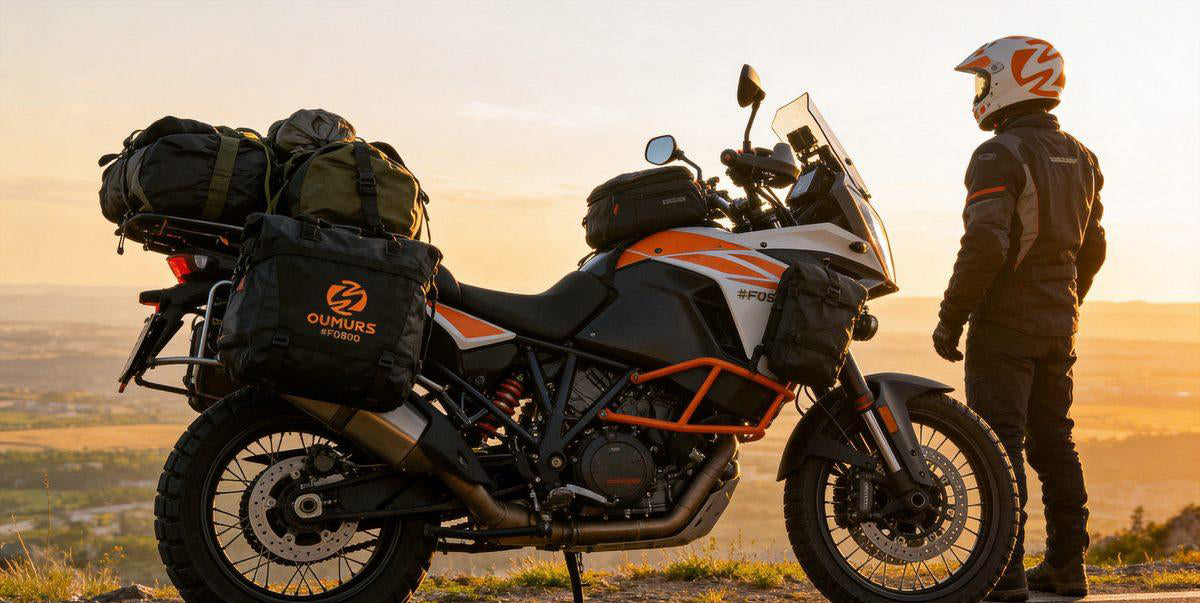
A motorcycle road trip is one of the purest forms of travel — you, the bike, and the open road. But a motorcycle carries far less than a car, so what you pack matters enormously. Bring too much and the bike gets heavy, unwieldy, and cramped; bring too little and you are cold, stranded, or uncomfortable miles from help. The secret is a carefully considered motorcycle road trip packing list that covers the essentials without excess. This guide breaks down exactly what to bring for a safe, comfortable, and self-sufficient long ride.
How to Approach Packing for a Motorcycle Trip
Two principles guide motorcycle packing. First, prioritize by weight and bulk: the heaviest, bulkiest items go lowest and closest to the bike's center for stability. Second, pack for the worst conditions you might realistically encounter, not the average day. Weather changes, bikes break, and plans shift. At the same time, embrace the freedom of traveling light — you can buy most things along the way, so do not over-pack for every contingency. Aim for a load that keeps the bike handling well and leaves room for the unexpected.
Use waterproof luggage — tank bag, tail bag, panniers, or a roll-top duffel — and pack items in waterproof stuff sacks inside, because rain finds its way into everything. Keep essentials like documents, snacks, and rain gear accessible, not buried at the bottom.
1. Riding Gear (Always Wear, Always Carry)
Your riding gear is non-negotiable and is your most important cargo on your body:
- Helmet (full-face, certified) — worn, not packed.
- Riding jacket and pants with armor — worn, with layers beneath.
- Gloves — at least two pairs: a summer pair and a waterproof/insulated pair.
- Boots — over-the-ankle, waterproof, with good grip.
- Eye protection if your helmet has no visor.
- Rain suit — a packable, waterproof over-suit that goes on over your gear. Essential.
- Base and mid layers — moisture-wicking base layer and a thermal mid-layer for cold mornings.
- Neck gaiter or balaclava for wind and cold protection.
- Reflective vest for low-light visibility.
See our guide on [what to wear on a motorcycle](https://www.oumurs.com) for the full gear checklist.
2. Tools and Spares
A basic tool kit lets you handle common roadside issues. Pack:
- The bike's factory tool kit or a curated multi-tool set with the sockets, wrenches, and Allen keys that fit your bike.
- Tire repair kit — plugs, CO2 cartridges or a mini-compressor, and a tire pressure gauge. A flat tire is the most common trip-ender.
- Spare fuses and bulbs matched to your bike.
- A small roll of electrical tape and zip ties — they fix a surprising amount.
- Chain lube and a small brush for chain maintenance on the road. See our [chain care guide](https://www.oumurs.com).
- A compact multi-tool (Leatherman-style) with pliers and a blade.
- A small bottle of engine oil for top-ups on long trips.
- Jumper cables or a battery booster if you ride in remote areas.
Keep tools in a single, accessible bag so you are not hunting through luggage at the roadside.
3. Clothing (Off the Bike)
Pack minimal, layerable, quick-drying clothing:
· Underwear and socks — enough for the trip or for several days between laundry stops.
- A pair of comfortable, weather-appropriate street clothes for evenings off the bike.
- A light fleece or hoodie for cool evenings.
- A waterproof jacket for walking around in the rain.
- Swimwear if your route includes beaches or hot springs.
- A lightweight, packable rain hat or cap.
Roll clothing tightly to save space, and use stuff sacks to keep it organized and dry.
4. Camping Gear (If Camping)
If you plan to camp, keep it light and compact:
- A lightweight one- or two-person tent.
- A compact sleeping bag rated for the coldest night you expect.
- An inflatable sleeping pad.
- A small camp stove and fuel, plus a single pot and spork.
- A headlamp with spare batteries.
- A compact first-aid kit.
If you are staying in motels or hostels, skip the camping gear entirely — it is the biggest space-saver you can leave behind.
5. Personal and Toiletry Items
- Toiletries in a small, leak-proof bag: toothbrush, toothpaste, deodorant, razor, soap.
- Sunscreen and lip balm — sun exposure on a bike is intense.
- Medications you take regularly, plus basic pain relievers and any allergy meds.
- A small quick-dry towel.
- Glasses or contact lenses and a spare pair if you need them.
6. Documents and Electronics
- Driver's license and motorcycle endorsement.
- Registration and proof of insurance.
- Passport if crossing borders.
- Emergency contact information and a card with your blood type and allergies.
- Cash and cards — carry some local cash for places that do not take cards.
- Phone and a weatherproof mount plus a charging cable and a power bank.
- A GPS or downloaded offline maps on your phone.
- A helmet intercom for navigation and music, if you use one.
Keep documents in a waterproof pouch that stays on your body, not on the bike.
7. Health, Safety, and Comfort
- A proper first-aid kit with bandages, antiseptic, blister treatment, and any personal meds.
- Earplugs to protect your hearing from wind noise.
- Plenty of water — a hydration pack or bottles you can reach while riding. Dehydration ruins concentration fast.
- High-energy snacks like trail mix or energy bars for long stretches between stops.
- Insect repellent for evening stops in bug country.
8. Bike-Specific Items
- A small bottle of chain lube and a rag.
- A tire pressure gauge.
- A cover for the bike when parked overnight.
- A lock to deter theft when parked.
Packing Tips for Balance and Access
- Distribute weight evenly left and right to keep the bike balanced.
- Put the heaviest items low and forward, close to the bike's center, to preserve handling.
- Keep rain gear, snacks, water, and documents accessible so you do not unpack everything at every stop.
- Use the tank bag for items you reach while riding — sunglasses, snacks, phone, map.
- Do not overload the rear — too much weight behind the axle lightens the front wheel and makes the bike wander.
Final Thoughts
A well-planned motorcycle road trip packing list balances preparedness with the freedom of traveling light. Cover your essentials — full riding gear, rain suit, tools and tire kit, layered clothing, documents, water, and a first-aid kit — and resist the urge to pack for every scenario, since you can buy most things along the way. Pack for balance and access, keep the load low and centered, and your bike will handle as well at the end of the trip as at the start. For the bigger picture, pair this list with our guide on [how to plan a motorcycle road trip](https://www.oumurs.com), check your maintenance schedule before you leave, and you are ready to ride into the distance with everything you truly need.
Share: