
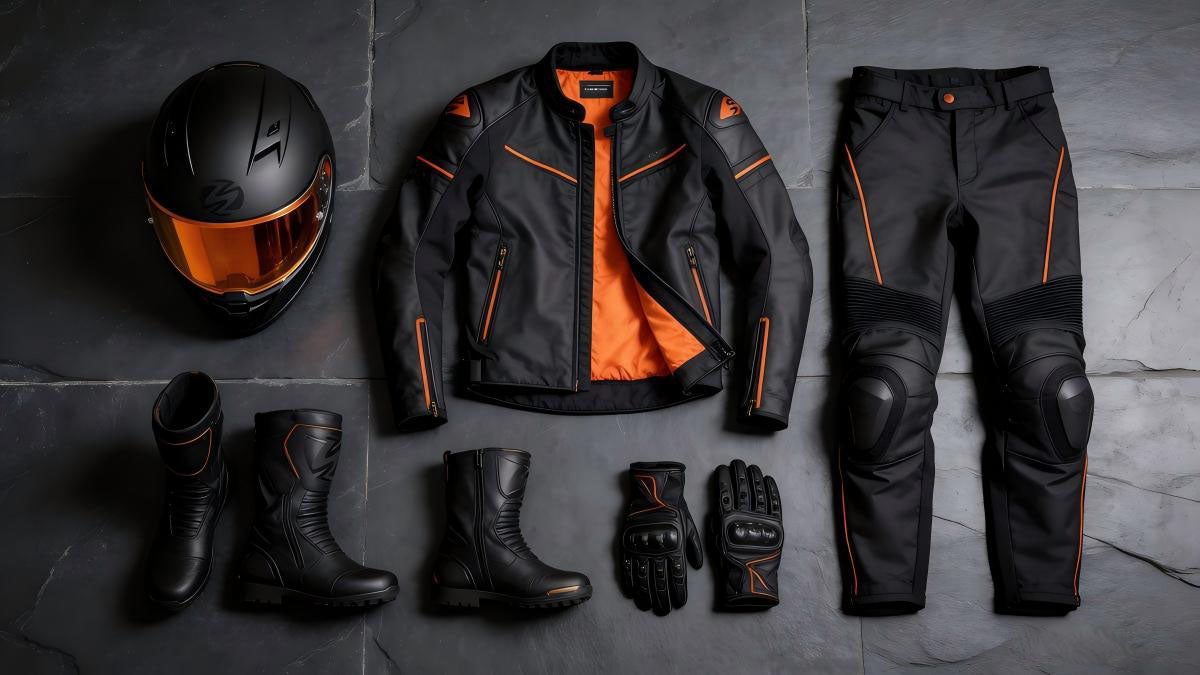
If you are wondering what to wear on a motorcycle, the answer is simple: gear that protects you from impact, abrasion, and the elements, head to toe. Asphalt does not care about your style or the weather, and at speed even a minor slide can grind through ordinary clothing in seconds. The right riding gear is the difference between walking away from a fall and a trip to the hospital.
This checklist covers every piece of essential motorcycle gear, why it matters, and what to look for, so you can suit up with confidence.
Why Riding Gear Is Non-Negotiable
A motorcycle leaves you fully exposed. In a crash, your gear is your only protection — it absorbs impact energy, resists abrasion as you slide, shields you from wind, rain, cold, heat, and flying debris, and keeps you visible to other drivers. Riding in jeans, a t-shirt, and sneakers might feel free, but it offers almost no protection. Quality gear turns a potentially life-changing fall into a bruised ego. Invest in the best gear you can afford, head to toe, before you ride.
1. Helmet: Protect Your Head
Your helmet is the single most important piece of gear. It must be certified (DOT, ECE, or Snell) and properly fitted. A full-face helmet offers the best protection by covering the entire head and face, including the chin — a common impact zone. For help choosing, see our [motorcycle helmet buying guide](https://www.oumurs.com).
What to look for:
- A recognized safety certification.
- A snug, even fit with no pressure points; it must not roll off the back of your head.
- A pinlock-ready visor to prevent fogging.
- Good ventilation and a quiet, aerodynamic shell.
Never ride in a helmet that has taken an impact, even if it looks fine — the internal foam may be compromised. Replace every five years.
2. Jacket: Abrasion and Impact Protection for Your Torso
A motorcycle jacket shields your arms, shoulders, back, and chest from abrasion and impact. The two main materials are leather and textile:
- Leather offers excellent abrasion resistance and a classic look but is less waterproof and can be hot.
- Textile (Cordura, Kevlar-reinforced nylon) is lighter, often waterproof, and versatile across seasons.
Whichever you choose, the jacket must have armor — CE-rated protectors at the shoulders, elbows, and ideally the back. Armor absorbs impact energy that would otherwise fracture bones. Look for a jacket with a snug fit that keeps the armor in place; a loose jacket lets armor slide out of position in a crash.
For all-weather comfort, consider a jacket with a removable thermal liner and a waterproof membrane, plus ventilation zippers for hot days. Bright colors or reflective panels boost your visibility.
3. Pants: Protect Your Legs
Legs and hips take a beating in a crash, yet many riders ride in regular jeans. Motorcycle-specific pants are essential. Options include:
- Leather or textile riding pants with built-in armor at the hips and knees.
- Kevlar-lined jeans that look like everyday denim but include abrasion-resistant panels and armor pockets — a popular compromise for casual riders.
- Overpants that zip on over your regular clothes, ideal for commuting.
Whatever you choose, ensure hip and knee armor is present and positioned correctly. Like the jacket, fit matters: armor that has shifted out of place offers no protection.
4. Gloves: Save Your Hands
Human instinct puts hands out to break a fall, so the hands are almost always the first thing to hit the ground in a crash. Without gloves, you risk losing skin, fracturing bones, and damaging nerves — and your hands are what control the bike.
What to look for:
- Full-fingered gloves, always.
- Abrasion-resistant material (leather or reinforced textile).
- Hard knuckle protection to guard against impacts.
- Padded palms to absorb vibration and impact.
- A snug fit that lets you work the controls without bunching.
- Gauntlet-style cuffs that cover the jacket sleeve and stay on in a slide.
Consider separate pairs for different seasons: ventilated gloves for summer, insulated and waterproof gloves for cold and wet weather. Cold, numb hands cannot operate a clutch or brake properly.
5. Boots: Protect Your Feet and Ankles
Your feet and ankles are vulnerable in a crash and at every stop. Motorcycle boots provide ankle support, abrasion resistance, impact protection, and grip on the pegs and the ground.
What to look for:
- Over-the-ankle height to protect the ankle bones.
- Reinforced ankle, heel, and toe areas.
- Oil-resistant, non-slip soles that grip wet pavement.
- Sturdy construction — leather or reinforced textile.
Avoid sneakers, sandals, or thin-soled shoes; they offer no ankle support and shred instantly on asphalt. Even a short ride warrants proper boots.
6. Eye and Face Protection
If your helmet has a face shield, you are covered. If you ride an open-face or half helmet, you need separate eye protection — shatterproof goggles or glasses — because wind, dust, insects, and stones at speed can blind you and cause a crash. Make sure eye protection is shatterproof and seals against wind.
7. Base Layers and Weather Protection
Layering lets you ride comfortably across seasons:
- Moisture-wicking base layers keep you dry in heat and warm in cold.
- A thermal mid-layer adds warmth on cold days.
- A waterproof rain suit that packs small is essential for unexpected weather — getting soaked ruins concentration and grip.
- A neck gaiter or balaclava stops cold air and rain from funneling down your collar.
8. Visibility Extras
Being seen is safety. Beyond bright-colored gear, add reflective strips to your jacket, helmet, and backpack, and consider a high-visibility vest for night or low-light riding. Position yourself in the lane where drivers can see you, and run your headlight at all times.
9. Hearing Protection
Wind noise at highway speeds can exceed safe levels and cause permanent hearing damage over time, as well as fatigue. Wear foam earplugs or specialized filtered earplugs that reduce wind roar while letting you hear traffic and your bike. Your ears will thank you years from now.
10. Seasonal and Specialty Additions
- Heated gear (jacket liner, gloves) extends your riding season into cold weather.
- Hydration packs for long, hot rides keep you focused.
- A tank bag keeps essentials reachable without removing gear.
The ATGATT Mindset
ATGATT — All The Gear, All The Time — is the philosophy that keeps riders alive. The gear only works if you wear it on every ride, including the short trip to the store, because most crashes happen close to home. Make suiting up a non-negotiable habit, not a decision you make based on the weather or distance.
Final Thoughts
Knowing what to wear on a motorcycle comes down to covering yourself head to toe in certified, well-fitted, abrasion- and impact-resistant gear. Helmet, jacket, pants, gloves, and boots are the essentials; layering, visibility extras, and hearing protection round out a complete setup. Build your kit piece by piece if budget demands, but never ride missing a piece. Start with a certified motorcycle helmet, add armored jackets and riding gear, and never forget that the gear you wear is the only thing between you and the road. Dress for the slide, not just the ride.
Share: