
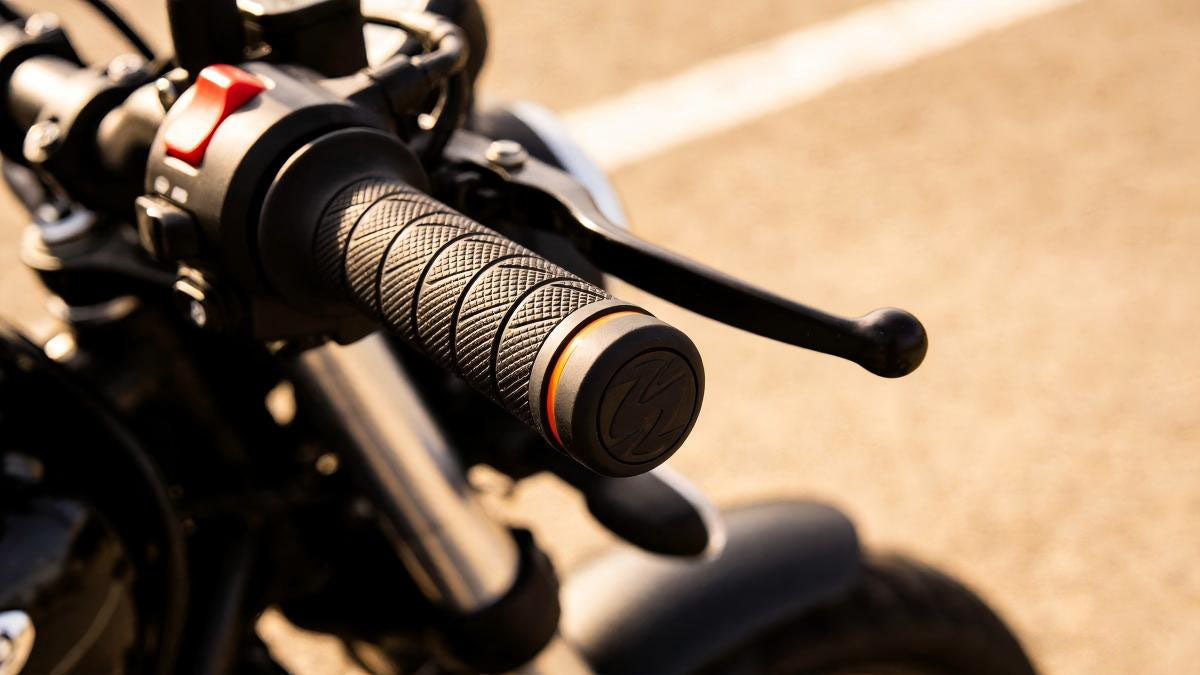
Handlebar grips are one of the smallest parts on a motorcycle, yet they have an outsized effect on your comfort and control. They are the only contact between your hands and the bike’s steering, and they transmit every vibration, every bump, and every input. Worn, hard, or ill-fitting grips cause numb hands, fatigue, and a vague feel for the road, while the right grips improve comfort, reduce vibration, and sharpen your control. Knowing how to choose motorcycle handlebar grips is a small upgrade with a big payoff.
This guide covers the materials, sizes, and features that matter, and how to install your new grips. For complete safety gear setup, also read our helmet fitting guide and our guide to choosing the right helmet type.
Why Grips Matter
Your hands do everything on a motorcycle. They operate the throttle, brake, and clutch, and they steer. Grips that are too hard transmit vibration straight into your palms, causing numbness and fatigue on long rides. Grips that are too thin offer less cushioning; grips that are too thick reduce your feel for the controls. The wrong pattern can blister your hands in the wet. Quality grips absorb vibration, provide a secure hold in all conditions, and fit your hand size, so you ride more comfortably and control the bike more precisely. They are also one of the easiest and cheapest comfort upgrades you can make.
Grip Materials
The material determines the grip’s feel, durability, and vibration absorption:
- Rubber: The most common and affordable. Good all-round comfort and durability, with a classic feel. Quality rubber grips absorb vibration well and last for years.
- Foam (polyurethane): Extremely soft and cushioned, foam grips absorb vibration better than any other type, making them a favorite for long-distance and adventure riders. They are lighter but can wear and tear more quickly, and they absorb water in the rain.
- Silicone/gel: Soft and tacky, silicone and gel-filled grips offer excellent shock absorption and a secure, comfortable hold. They are popular for riders seeking maximum comfort.
- Leather: A classic, premium look with a comfortable feel once broken in. Leather grips are stylish but require more maintenance and are less durable in wet weather.
- Heated grips: Grips with built-in heating elements that transform cold-weather riding. Many riders consider them essential for extending the riding season.
- Aluminum with rubber inlays: A premium, custom look with rubber or gel sections for comfort. They are durable and stylish but can transmit more vibration than all-rubber grips.
For most riders, a quality rubber or silicone grip offers the best balance of comfort, durability, and price. Choose foam or gel for maximum vibration absorption on long rides, and heated grips if you ride in cold weather.
Grip Size and Thickness
Grip diameter affects both comfort and control, and the right size depends on your hand size and preference:
- Standard grips suit most riders and offer a balance of comfort and feel.
- Thicker grips provide more cushioning and suit riders with larger hands or those seeking vibration relief, but they reduce feel for fine throttle control.
- Thinner grips offer more precise control and a closer feel, preferred by sport and track riders, but transmit more vibration and fatigue the hands faster on long rides.
If you suffer from hand numbness, try a slightly thicker, softer grip. If you want sharper control, stay with a standard or thinner grip. There is no universal best — experiment to find what suits your hands and your riding.
Grip Patterns and Texture
The surface pattern affects grip security, especially in wet conditions:
- Smooth grips look clean but can be slippery when wet.
- Diamond or waffle patterns offer excellent grip in all conditions and are a popular all-round choice.
- Ribbed grips provide channels that improve grip and wick water, good for wet-weather riding.
- Knurled or aggressive patterns offer maximum grip, favored by off-road and adventure riders, but can be harsh on the street.
Choose a pattern that matches your conditions. If you ride in the rain, prioritize a textured pattern that stays secure when wet.
Heated Grips for Cold Weather
If you ride in cool conditions, heated grips are one of the best upgrades you can make. They keep your hands warm and dexterous, which directly improves your control and safety. Look for grips with adjustable heat settings and easy-to-reach controls. They draw electrical power, so confirm your bike’s charging system can handle the load, and wire them through a switched circuit so they turn off with the ignition. For riders in cold climates, heated grips paired with insulated gloves make winter riding genuinely comfortable.
Handlebar Diameter and Fitment
Grips must fit your handlebars. Most modern motorcycles use one of two inner diameters:
- Standard bars (7/8 inch, ~22 mm): Common on most motorcycles.
- Fat bars (1⅛ inch, ~28.6 mm): Common on dirt and adventure bikes, with a thicker center section.
Check your handlebar diameter before buying. Most grips are sold for one or the other, though some include adapters for both. The throttle side grip is also specific to your throttle tube — some grips glue onto the existing tube, while others replace it. Match the grip to your throttle tube type to avoid a loose or binding throttle.
How to Install Motorcycle Grips
Installing grips is a straightforward DIY job:
- Remove the old grips. Cut or slice off rubber grips, or twist them off with compressed air or a grip glue solvent. Be careful not to damage the throttle tube on the right side.
- Clean the bars and throttle tube thoroughly, removing old glue and residue.
- Apply grip glue or safety wire. Use a thin, even bead of grip glue inside the grip, or use safety wire for a racing-style secure fit. Some riders use hairspray as a temporary adhesive that dries tacky.
- Slide the grip on quickly before the glue sets, aligning any pattern. Twist it to seat fully.
- Let the glue cure for the recommended time before riding — usually a few hours.
- Test the throttle to ensure it snaps back freely and the grip is secure.
A loose grip is dangerous — if it rotates on the bar, you lose control. Always secure grips properly with glue or wire.
When to Replace Your Grips
Replace your grips when:
- They are worn smooth, cracked, or torn.
- They have become hard and no longer absorb vibration.
- They are loose or spin on the bar.
- Your hands go numb or fatigue faster than they used to.
- You want to upgrade comfort, control, or style.
Grips are inexpensive and easy to replace, so do not suffer with worn grips that compromise your comfort and safety.
Complete Your Riding Setup with the Oumurs 361S
Great grips are just the start. Pair them with a dual ECE 22.06 & DOT certified full-face street helmet for head-to-hand protection you can trust. Available in three colorways:
Shop the Oumurs 361S →Final Thoughts
Knowing how to choose motorcycle handlebar grips comes down to matching the material, size, and pattern to your hands and your riding. Quality rubber or silicone grips offer the best all-round comfort and control; foam or gel grips excel at vibration absorption for long distances; heated grips transform cold-weather riding; and a textured pattern keeps you secure in the wet. Match the grip to your handlebar and throttle tube, install them securely, and replace worn grips promptly. Pair comfortable grips with a supportive seat, well-placed mirrors, and a regular maintenance schedule, and your hands — and the rest of you — will stay comfortable and in control for every mile.
Share: